CCS & FPC Ultrasonic Welding Solutions
Precision joining for thin copper foils, FPC conductive areas, sensing terminals and CCS electrical interconnections.
Key process risks to resolve before mass production
Thin foil tears or burns under excessive local deformation
Small contact areas require precise positioning
FPC substrate and nearby components are heat-sensitive
Tool marks and indentation must be tightly controlled
Many weld points require consistent automated inspection
Final compatibility must be validated with actual materials and joint geometry
FPC exposed copper foil and copper terminals
Thin copper or nickel-plated conductive tabs
CCS sensing and current-collection connections
Small non-ferrous metal joints after sample verification
Note: Material ranges and equipment recommendations are preliminary selection guidance. Final capability, parameter window and acceptance criteria depend on actual sample validation.
Select the platform by section, force, power and automation requirements
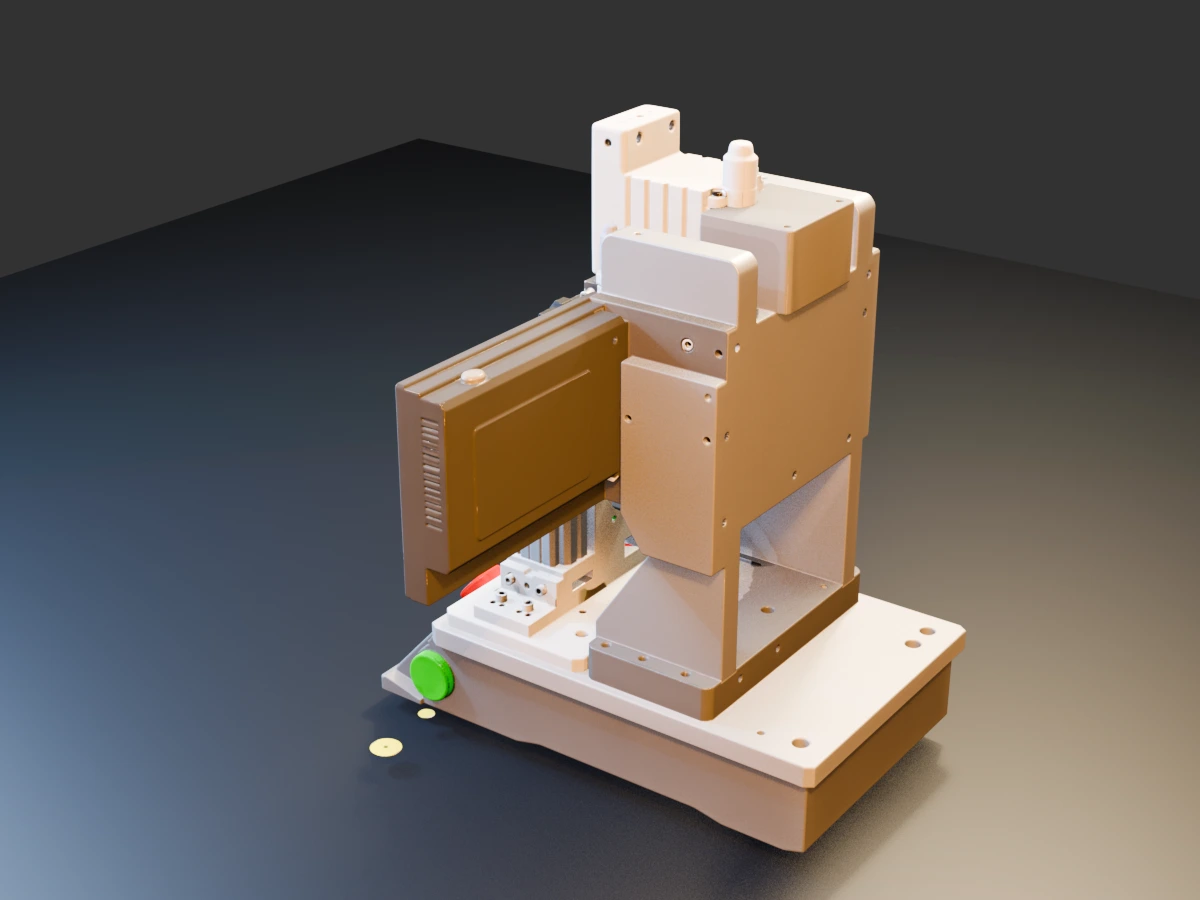
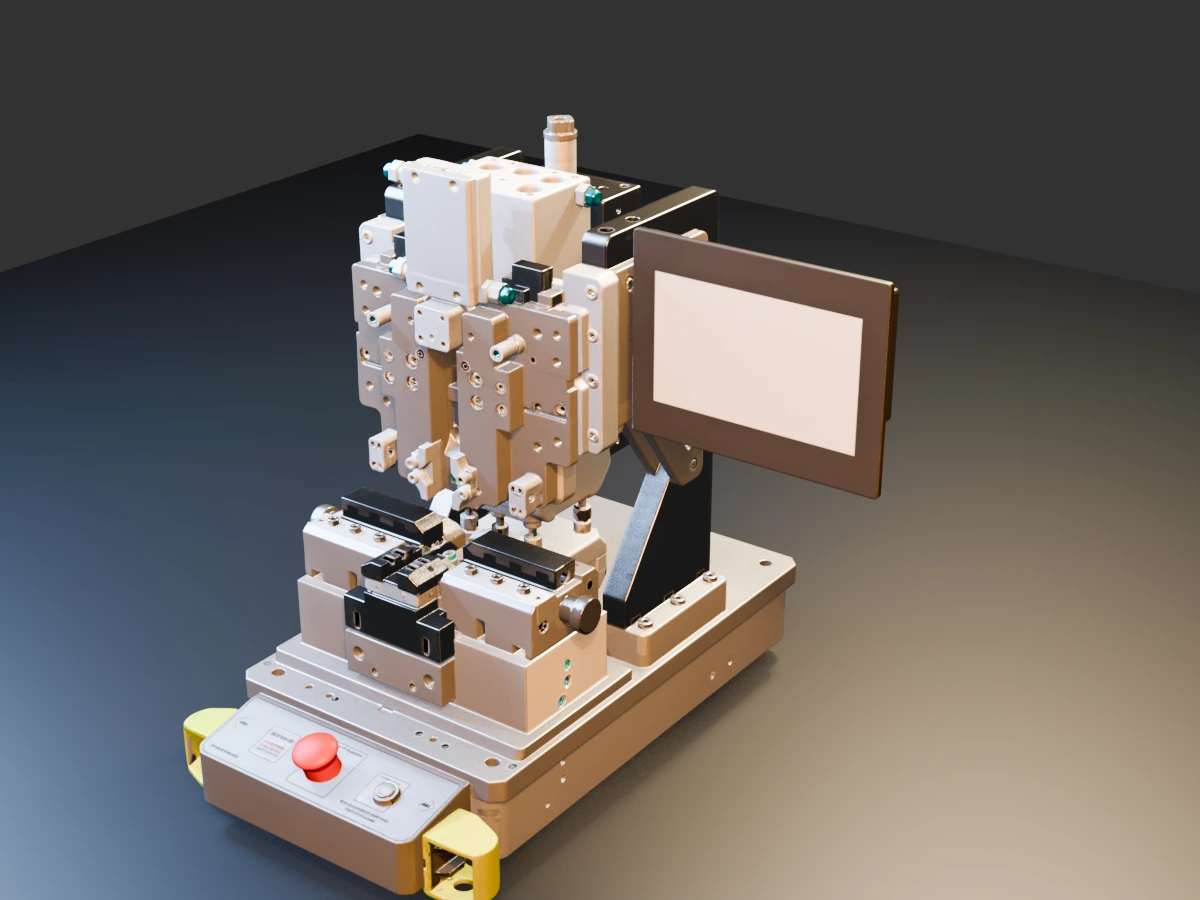
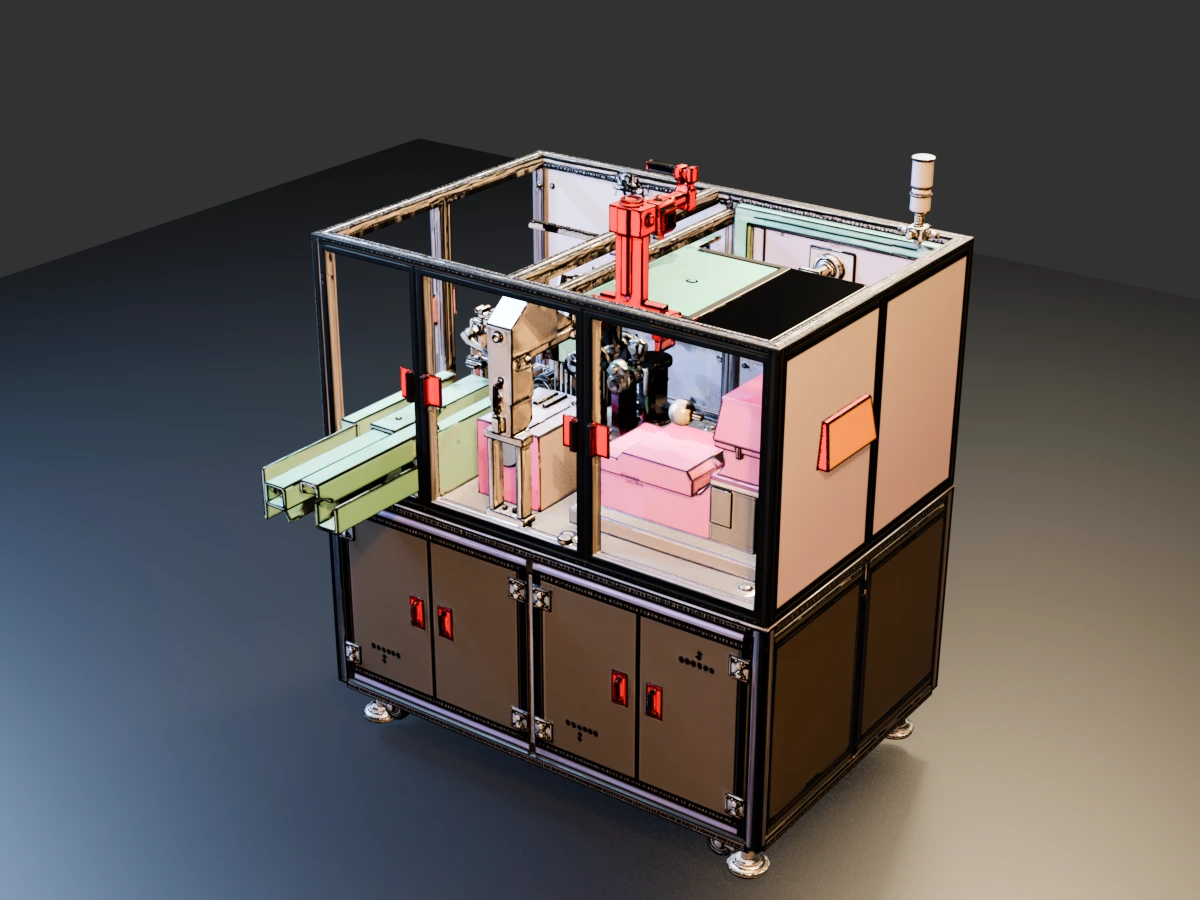
Complete sample information significantly shortens process validation
Complete FPC or representative production coupons
Copper thickness, plating and laminate construction
Keep-out zones, allowable indentation and positional tolerance
Electrical, pull, peel and appearance criteria
Engineering path from sample review to production acceptance
Review stack-up, support and sensitive areas
Select precision actuator and frequency
Design small-area tooling and positioning datum
Establish low-damage parameter window
Verify resistance, peel force and visual quality
Integrate presence detection and production monitoring
Common questions at the beginning of a project
Can FPC be welded without damaging the substrate?
Yes, when the exposed conductor, backing support, tooling and parameter window are designed together. Samples are required to define the safe limit.
Which inspection methods are recommended?
Typical controls include presence and position detection, parameter monitoring, electrical testing, peel testing and visual inspection.
Can this process be automated?
Yes. The welding module can be integrated with fixtures, part detection, motion control and result traceability.
Let an engineer evaluate your joint
Send material, section, drawing and quality targets. We will reply with equipment and sample-validation recommendations.