Copper-Aluminum Ultrasonic Welding Solutions
Controlled solid-state joining for copper-to-aluminum conductors, tabs and busbars without bulk melting of the parent materials.
Key process risks to resolve before mass production
Oxide layers reduce bond consistency
Different hardness and thickness cause uneven deformation
Excessive energy can thin or crack aluminum
Insufficient support causes part movement and incomplete bonding
Electrical resistance must remain stable after aging
Final compatibility must be validated with actual materials and joint geometry
Copper to aluminum foil or sheet
Copper conductor to aluminum terminal or busbar
Bare, tinned or nickel-plated surfaces after validation
Flexible conductors and rigid conductive parts
Note: Material ranges and equipment recommendations are preliminary selection guidance. Final capability, parameter window and acceptance criteria depend on actual sample validation.
Select the platform by section, force, power and automation requirements
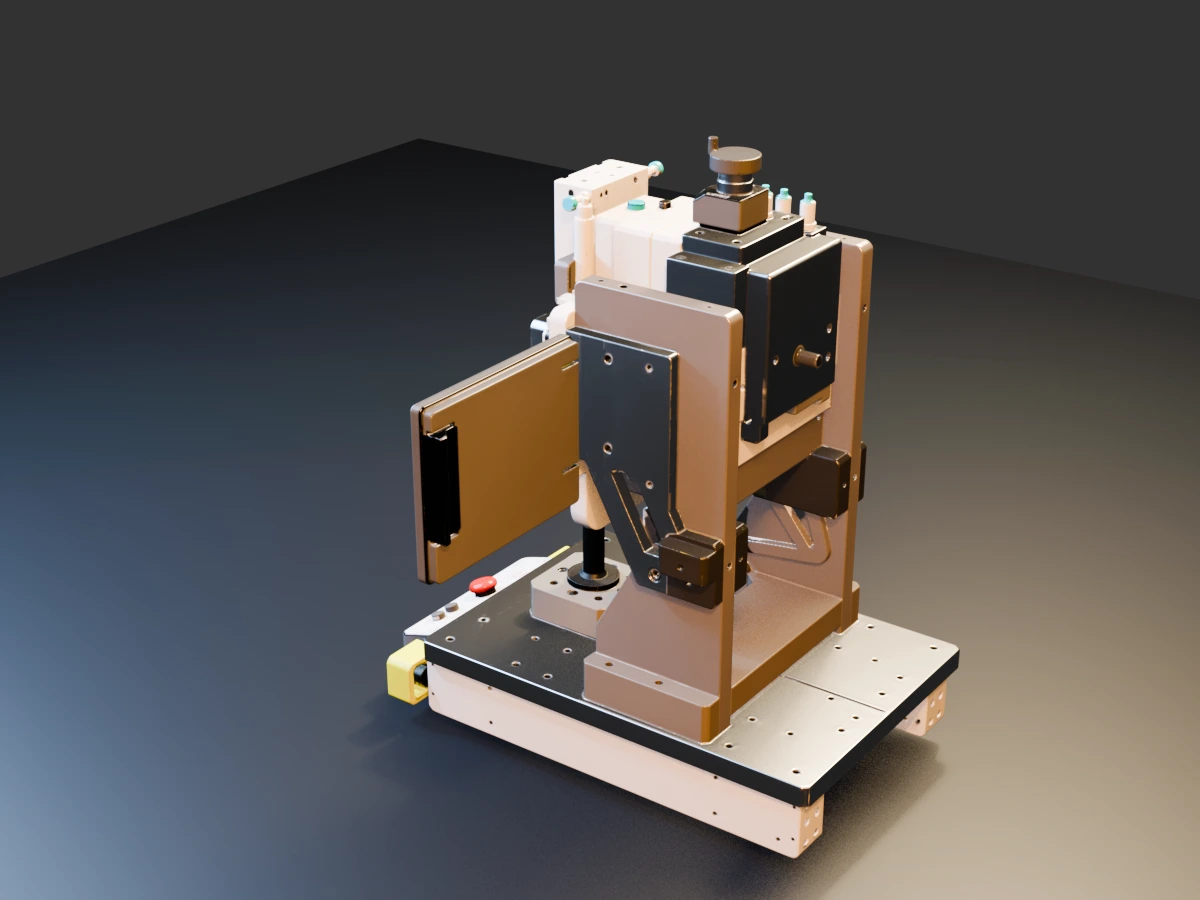
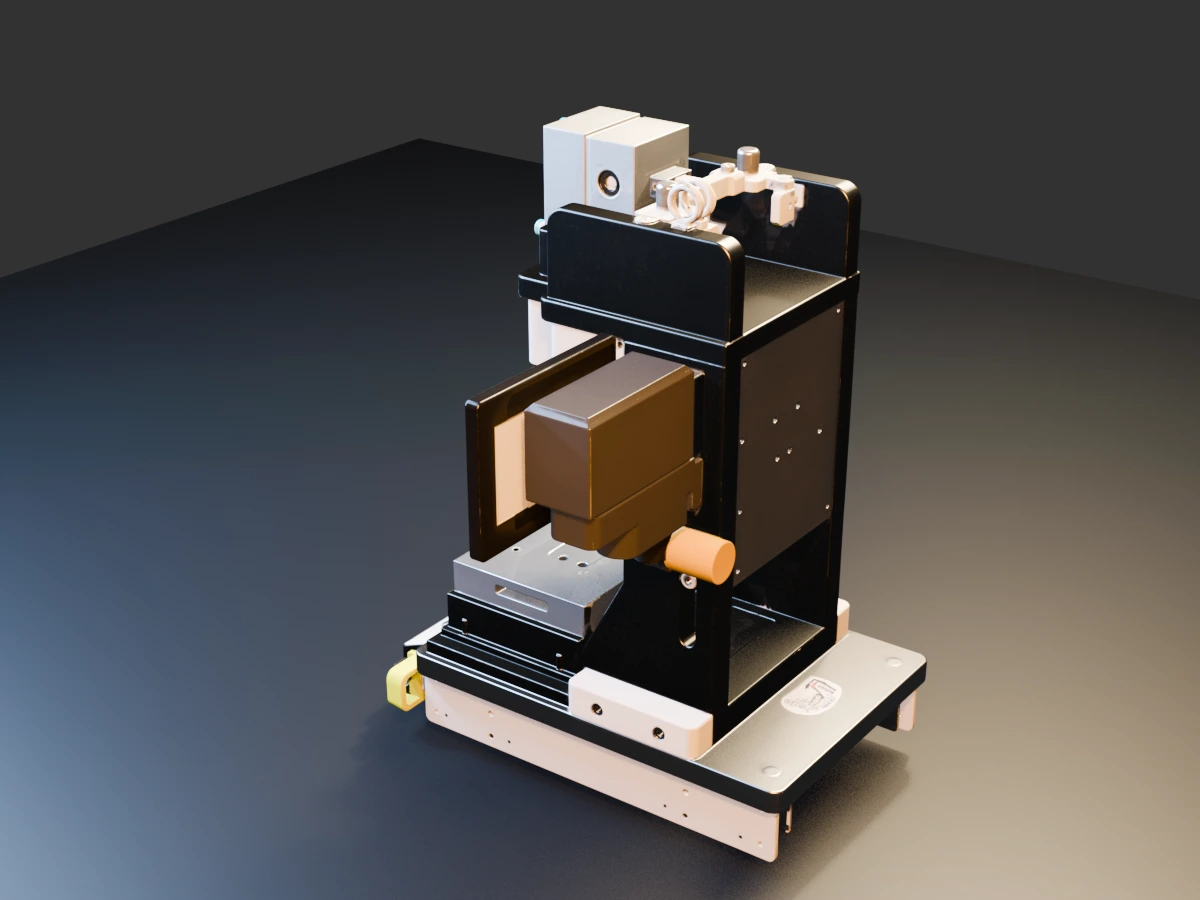
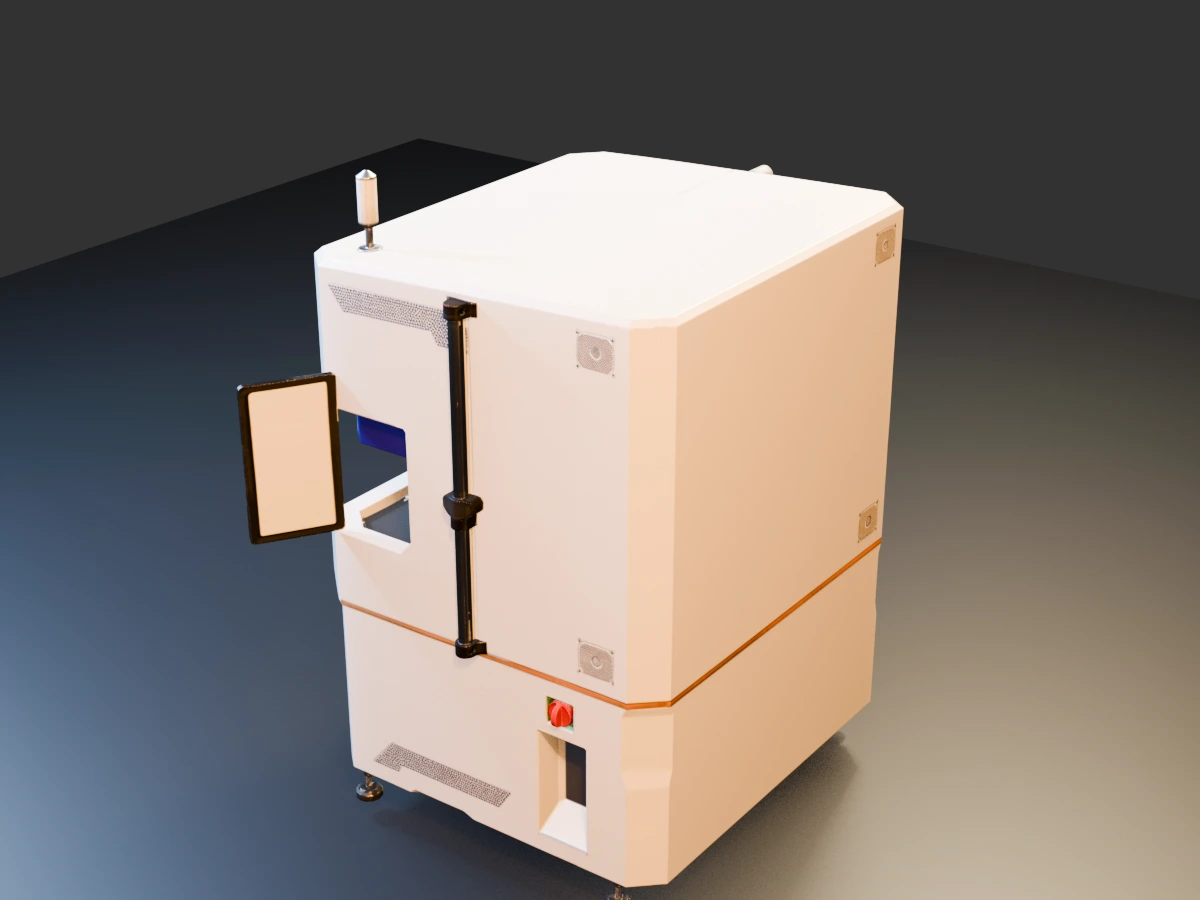
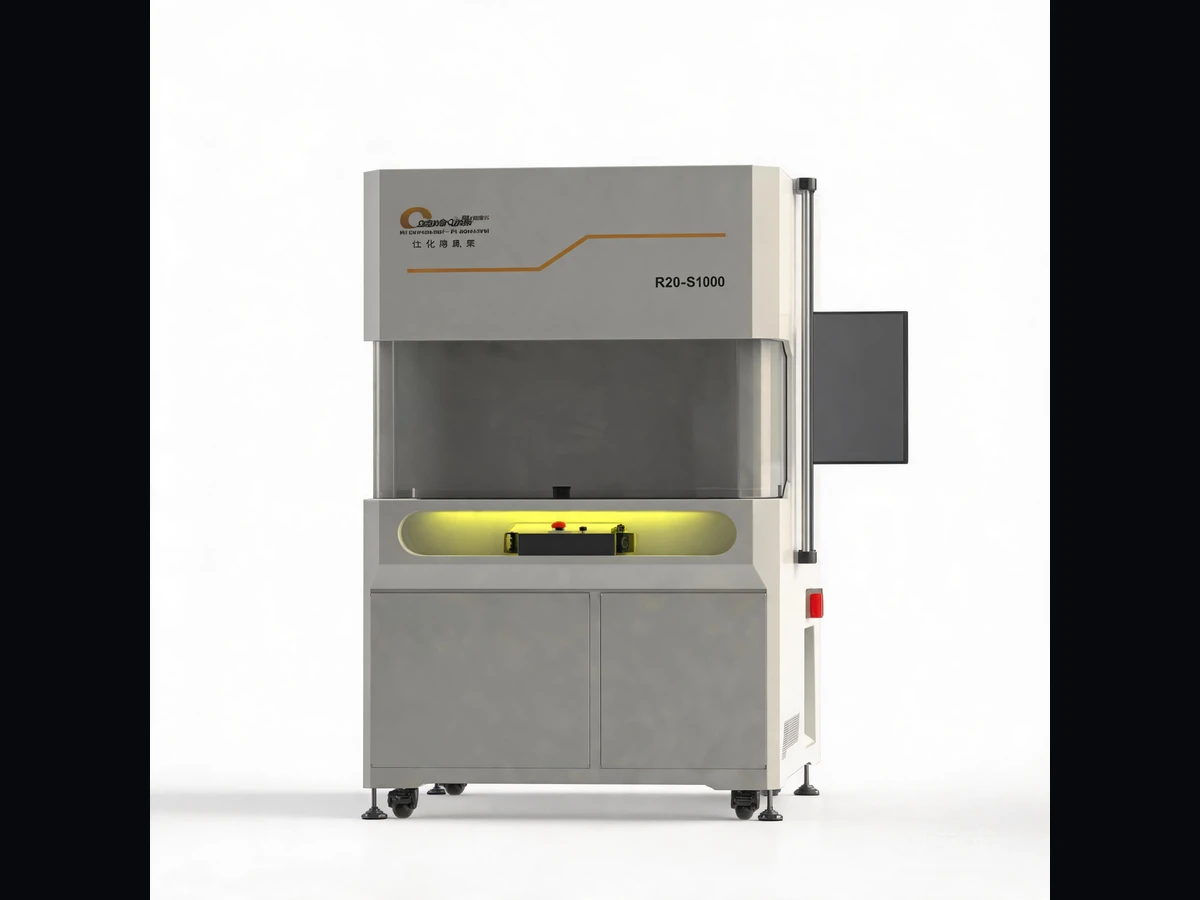
Complete sample information significantly shortens process validation
Actual production materials from both sides of the joint
Alloy, temper, plating and surface-treatment information
Joint overlap, thickness and permitted deformation
Pull, peel, resistance, aging and section acceptance criteria
Engineering path from sample review to production acceptance
Identify material and surface-condition risks
Confirm overlap and support strategy
Select tool texture and welding platform
Develop a safe energy-force-amplitude window
Test initial and aged mechanical/electrical performance
Document cleaning, handling and production limits
Common questions at the beginning of a project
Why use ultrasonic welding for copper to aluminum?
The solid-state process avoids bulk melting and can limit brittle intermetallic growth when the joint and process window are properly designed.
Is surface cleaning necessary?
Consistent surface condition is important. Required cleaning and storage controls depend on oxide, oil, plating and the validated process window.
How is joint quality evaluated?
Typical checks combine pull or peel testing, electrical resistance, visual inspection and cross-section analysis.
Let an engineer evaluate your joint
Send material, section, drawing and quality targets. We will reply with equipment and sample-validation recommendations.