EV Battery Busbar Welding Solutions
Process development and equipment integration for battery tabs, laminated foils, copper or aluminum busbars and module interconnections.
Key process risks to resolve before mass production
Large thickness difference between foil stack and busbar
Cracking, foil tearing or excessive indentation
Oxide and surface contamination causing unstable bonds
Heat input risk near cells and insulation parts
Need for weld-by-weld quality records
Final compatibility must be validated with actual materials and joint geometry
Copper and aluminum busbars
Copper or aluminum foil stacks and battery tabs
Nickel-plated or tinned conductive parts after validation
Dissimilar copper-aluminum combinations after process trials
Note: Material ranges and equipment recommendations are preliminary selection guidance. Final capability, parameter window and acceptance criteria depend on actual sample validation.
Select the platform by section, force, power and automation requirements
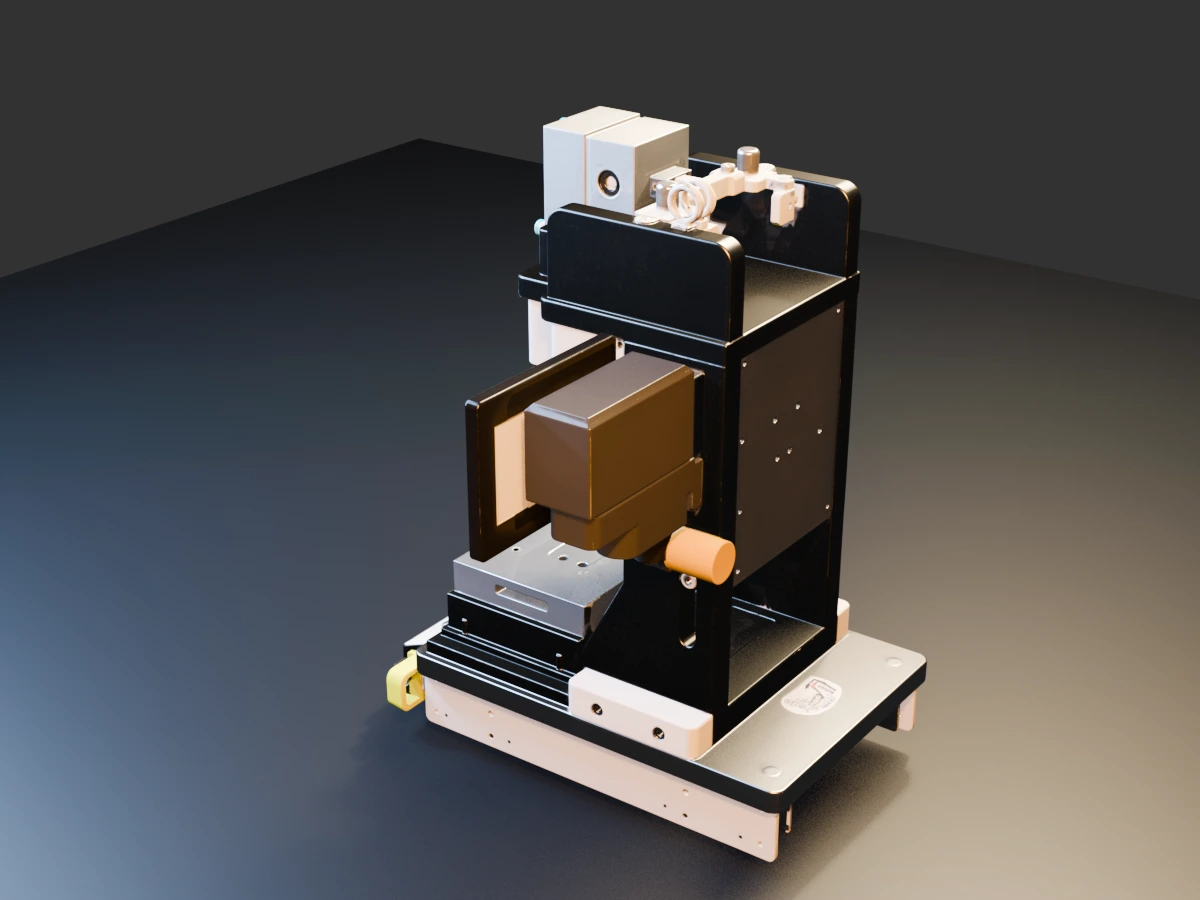
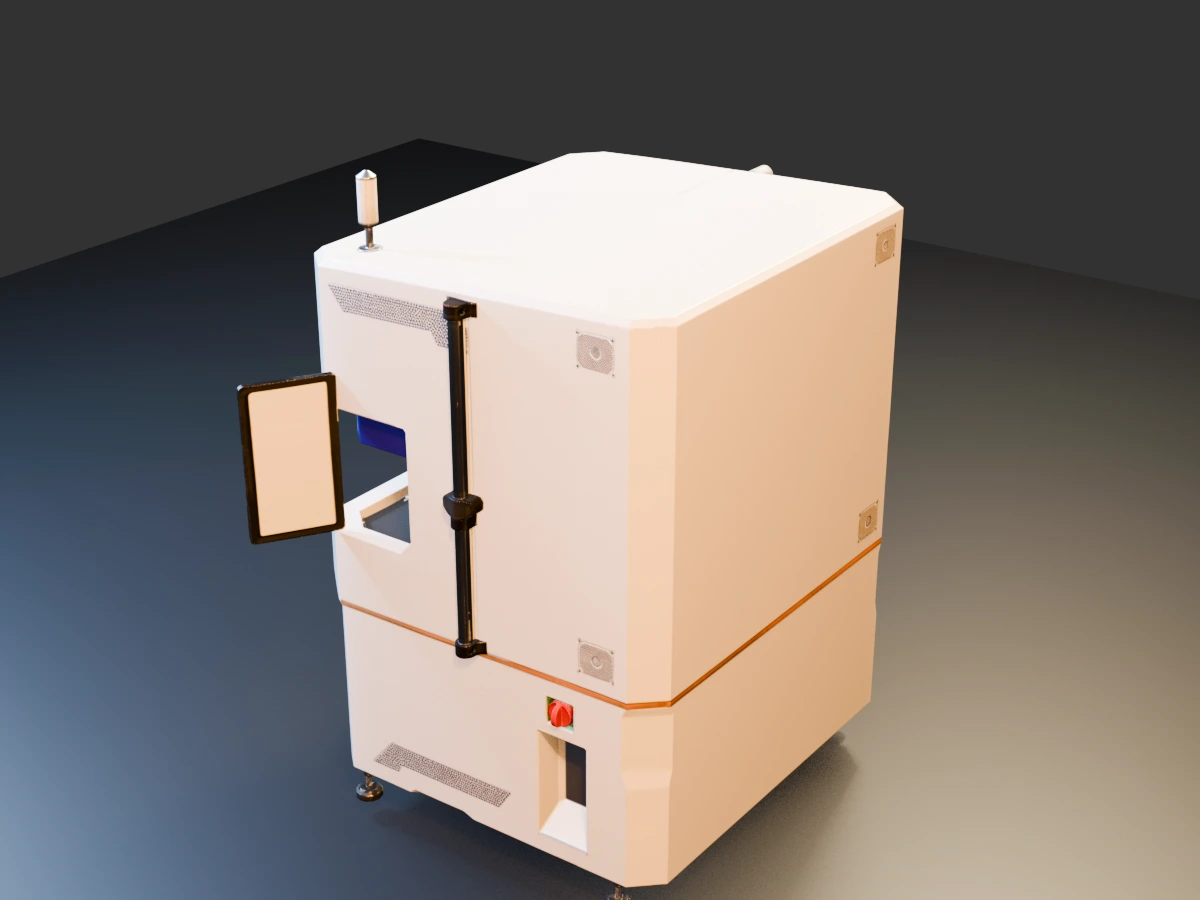
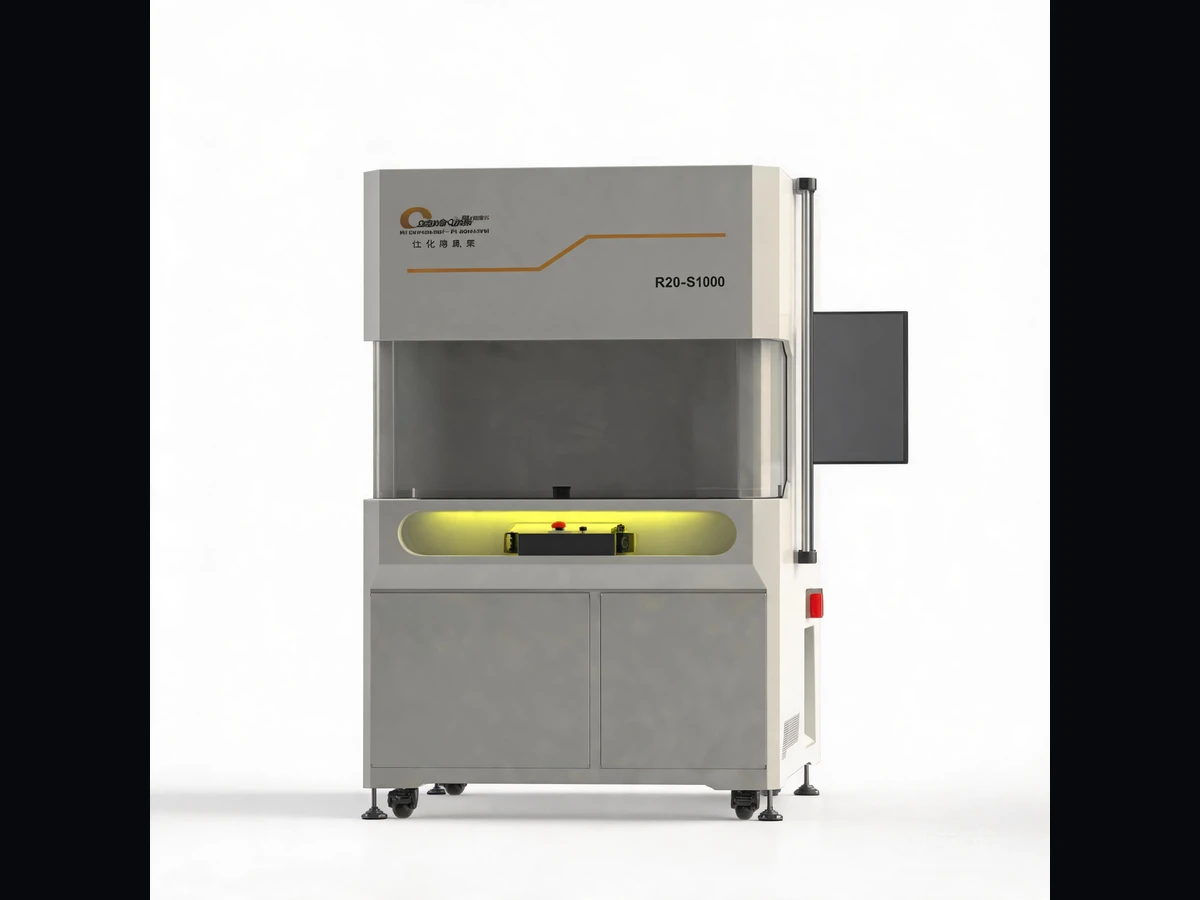
Complete sample information significantly shortens process validation
Production-intent busbars and full foil stacks
Material grade, plating, thickness and stack count
Joint drawing, available access and allowable indentation
Target peel, shear, resistance and metallographic criteria
Engineering path from sample review to production acceptance
Assess joint stack-up and access direction
Select frequency, power and force platform
Design sonotrode and anvil contact geometry
Develop amplitude, force, energy and time window
Validate mechanical, electrical and section quality
Freeze recipe, monitoring limits and line interface
Common questions at the beginning of a project
Can copper and aluminum both be welded?
Yes, but the stable window depends on alloy, thickness, plating, surface condition and joint geometry. Samples are required before final selection.
How is cell heat exposure controlled?
Ultrasonic welding is a short solid-state process. Tooling support, energy control and cycle design are optimized to limit heat transfer.
Can each weld be traced?
Supported digital systems can record selected parameters and return production results to the line or MES.
Let an engineer evaluate your joint
Send material, section, drawing and quality targets. We will reply with equipment and sample-validation recommendations.