High-Voltage Terminal Welding Solutions
High-force ultrasonic joining for large stranded conductors, high-voltage cable terminals and demanding automotive electrical connections.
Key process risks to resolve before mass production
Large conductor sections are difficult to compact uniformly
Terminal geometry limits tool access and support
Cable movement causes strand escape and unstable weld area
High pull-force targets require a wide stable process window
Production needs recipe control and result traceability
Final compatibility must be validated with actual materials and joint geometry
Large-section stranded copper or aluminum conductors
Copper, tinned-copper or validated aluminum terminals
Straight, bent and three-dimensional terminal geometries
High-voltage cable and busbar transition joints
Note: Material ranges and equipment recommendations are preliminary selection guidance. Final capability, parameter window and acceptance criteria depend on actual sample validation.
Select the platform by section, force, power and automation requirements
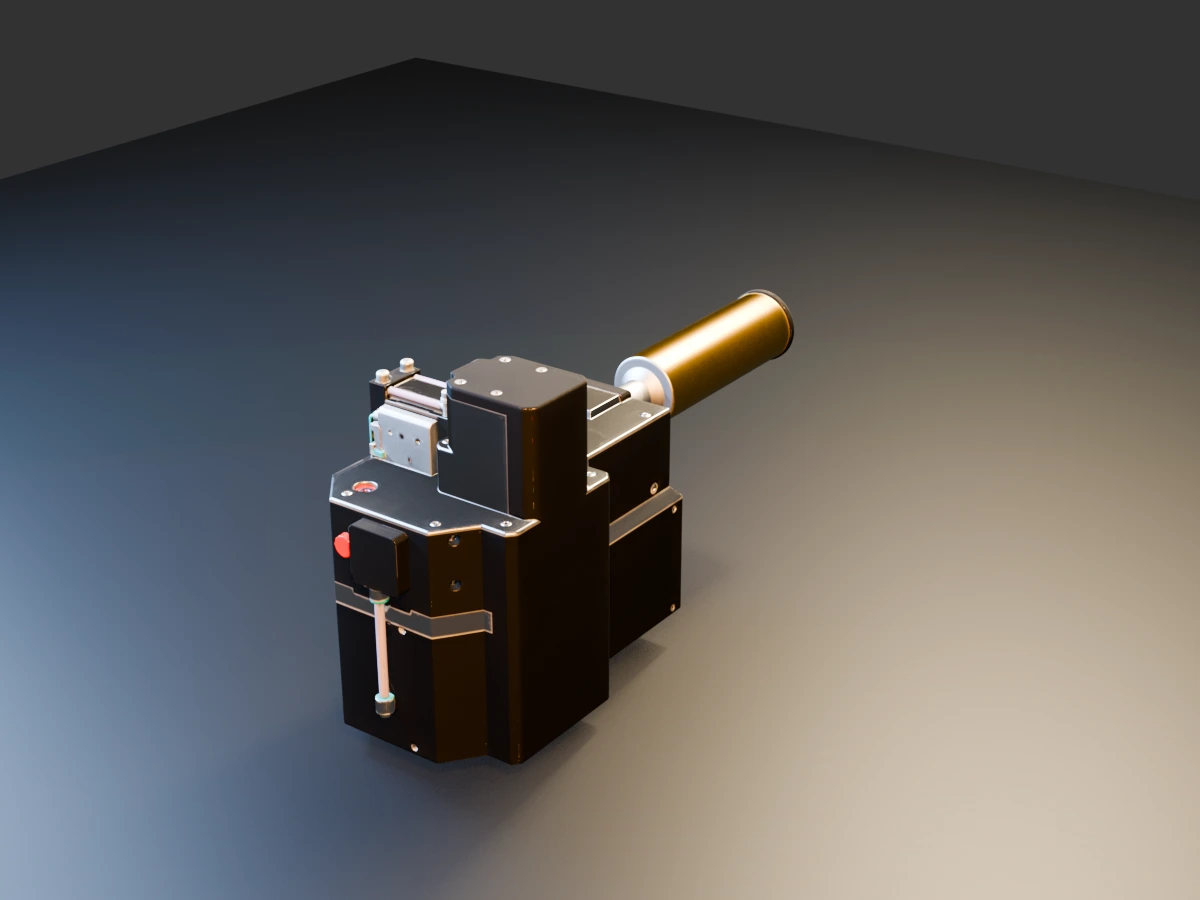
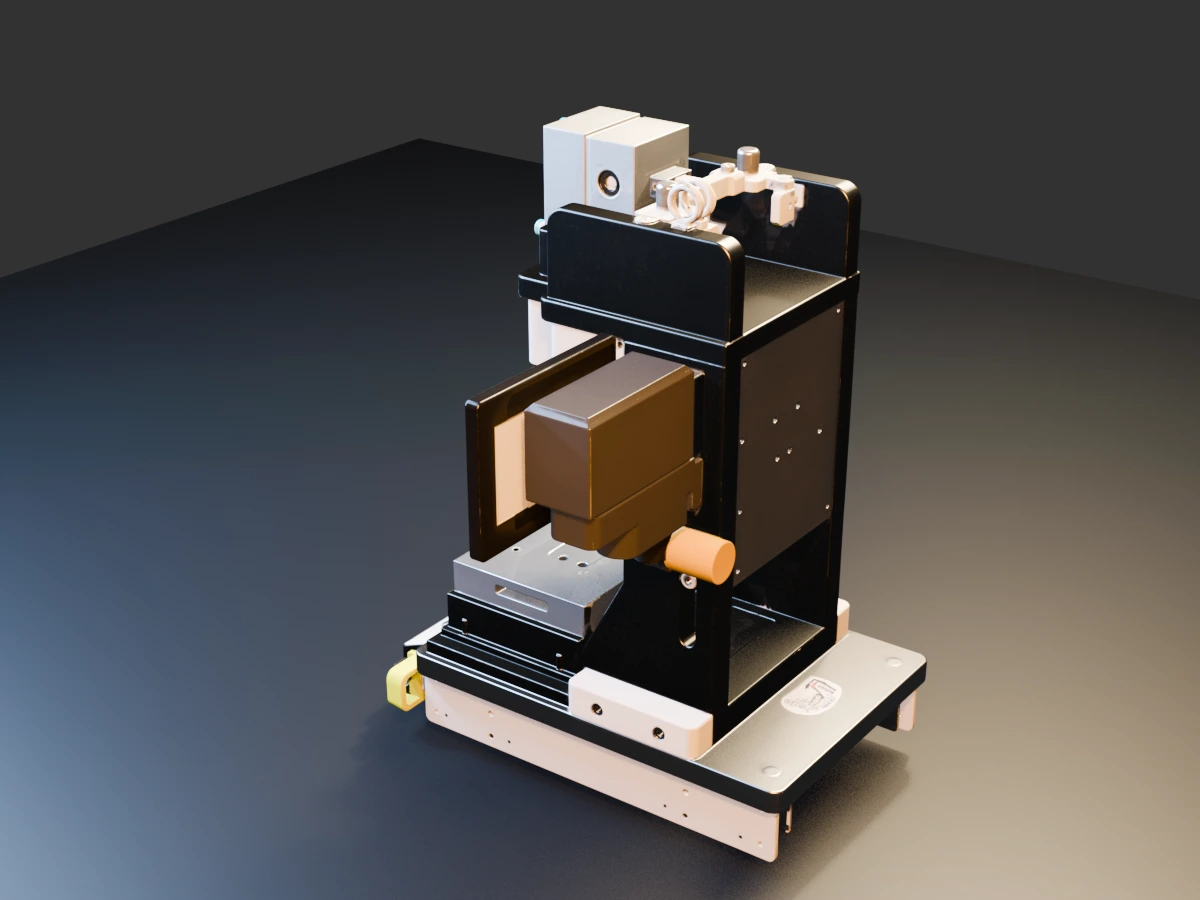
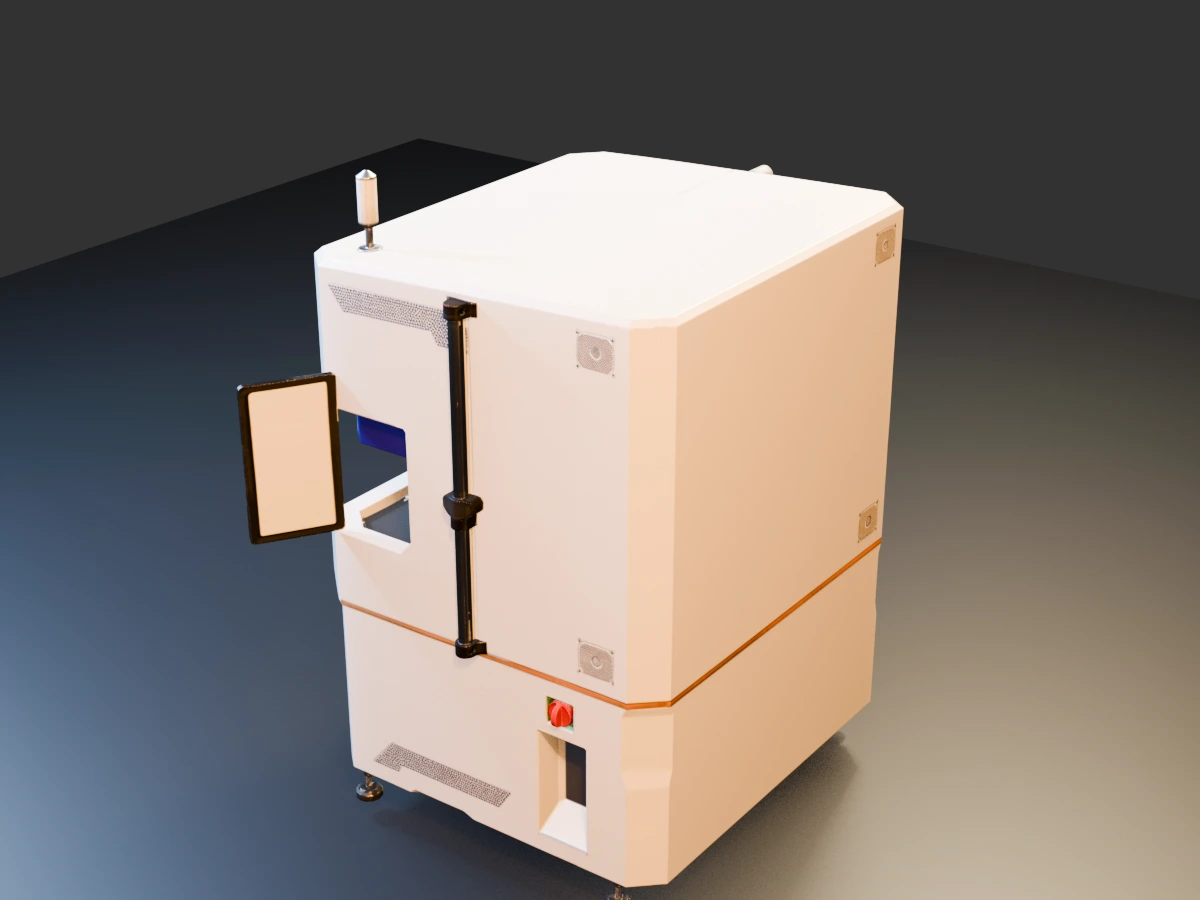
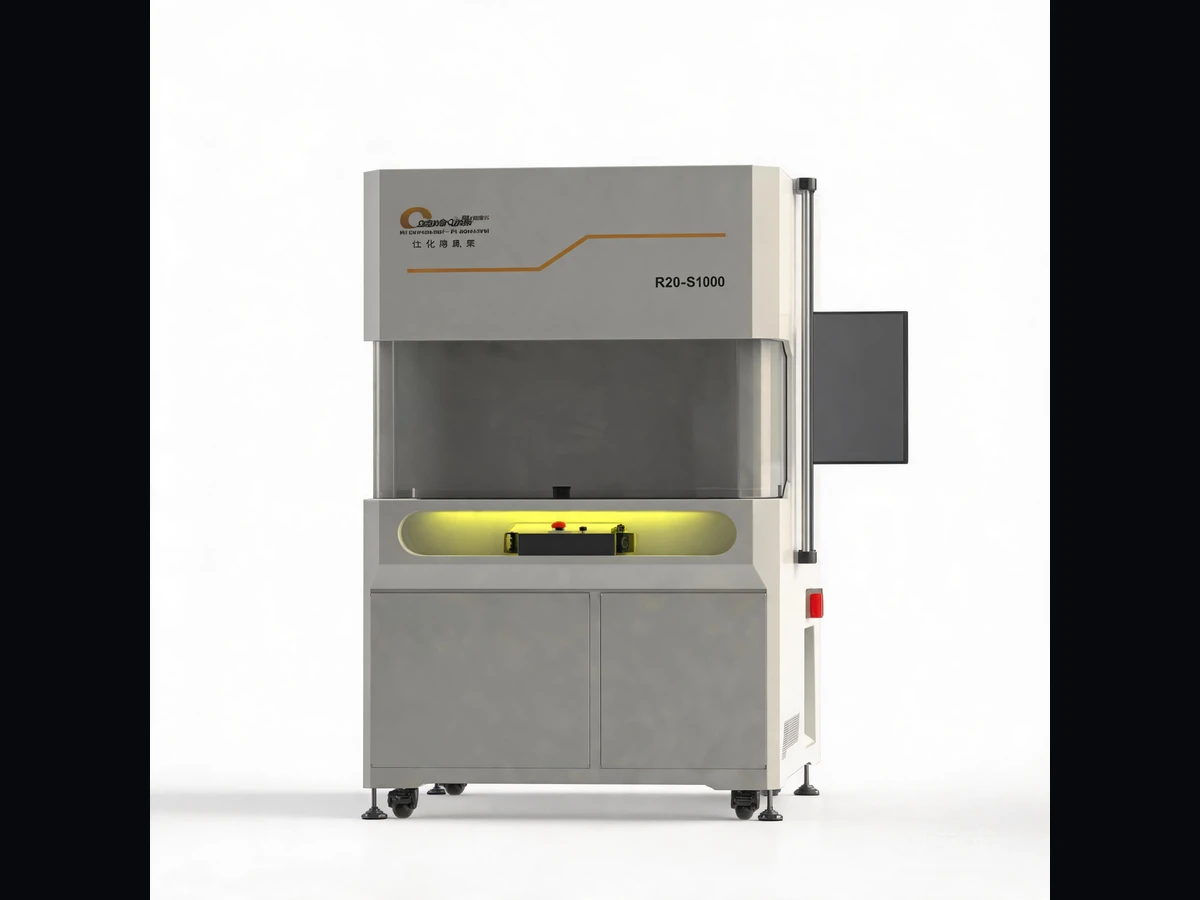
Complete sample information significantly shortens process validation
Full-length cable samples with production stripping quality
Terminal drawings, material, plating and crimp-free preparation
Cable section, strand construction and insulation limits
Pull force, resistance, section and cycle-time targets
Engineering path from sample review to production acceptance
Assess conductor compaction and terminal support
Select force, stroke and power class
Design cable restraint, sonotrode and anvil
Develop pre-compression and welding parameters
Validate pull, resistance, section and repeatability
Complete recipe control, error handling and line acceptance
Common questions at the beginning of a project
What conductor size can be covered?
The range depends on the selected platform and joint geometry. RENYI systems cover different classes from compact harness work to large sections, with final capability confirmed by samples.
Can bent or 3D terminals be welded?
Often yes. Tool access, support and cable restraint must be reviewed from drawings or physical samples.
How is operator variation reduced?
Dedicated fixtures, recipe control, monitored parameters and automatic result handling improve repeatability.
Let an engineer evaluate your joint
Send material, section, drawing and quality targets. We will reply with equipment and sample-validation recommendations.