Ultrasonic Wire Harness Welding Solutions
Stable solid-state joining for stranded copper conductors, cable splices and terminal connections—from compact manual stations to fully automated production.
Key process risks to resolve before mass production
Loose strands and inconsistent conductor compaction
Heat damage to insulation near the weld area
Unstable pull force across different cable batches
Long changeover time between cross-sections
Missing process data and traceability on production lines
Final compatibility must be validated with actual materials and joint geometry
Stranded copper wire and tinned copper wire
Copper cable splices and copper terminals
Mixed conductor cross-sections after sample validation
Typical total conductor sections from 0.25 mm² to 150 mm², depending on the selected system
Note: Material ranges and equipment recommendations are preliminary selection guidance. Final capability, parameter window and acceptance criteria depend on actual sample validation.
Select the platform by section, force, power and automation requirements
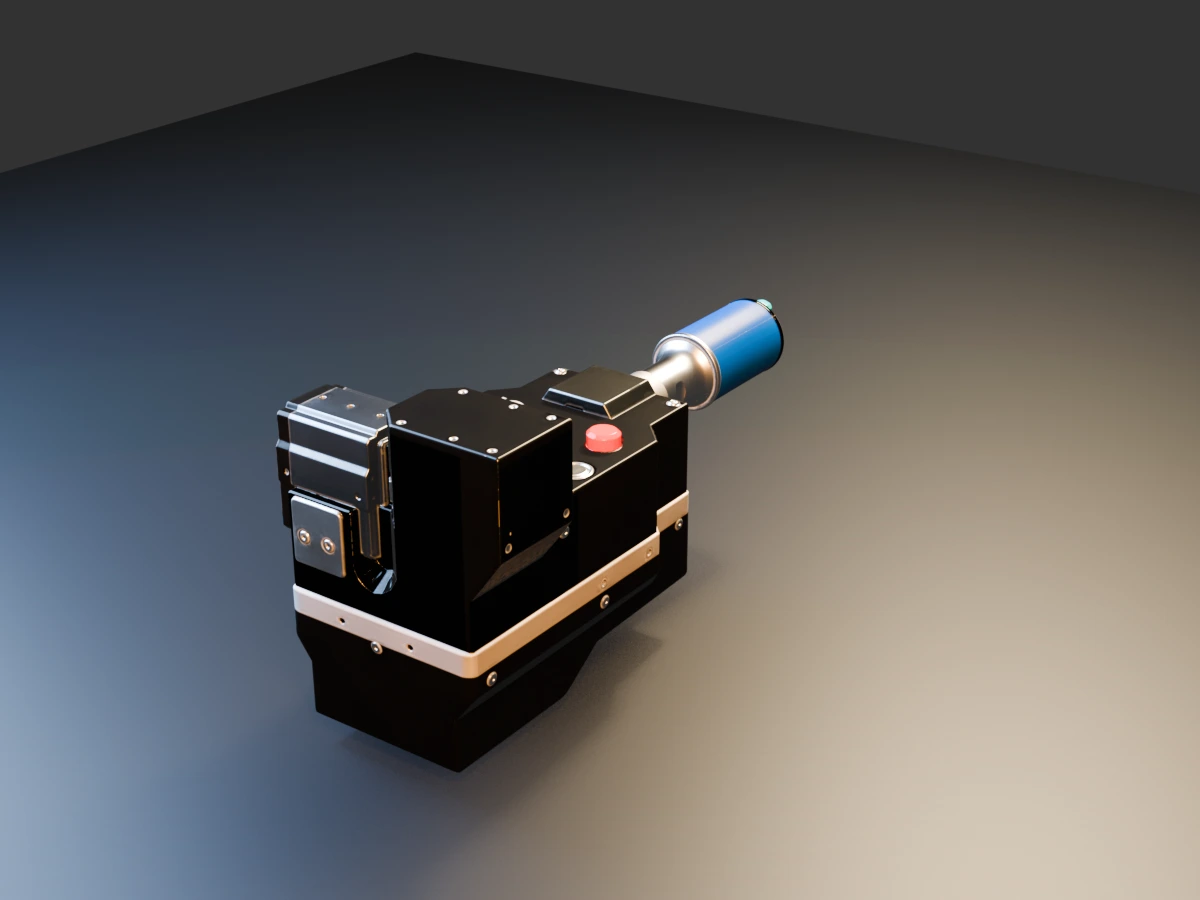
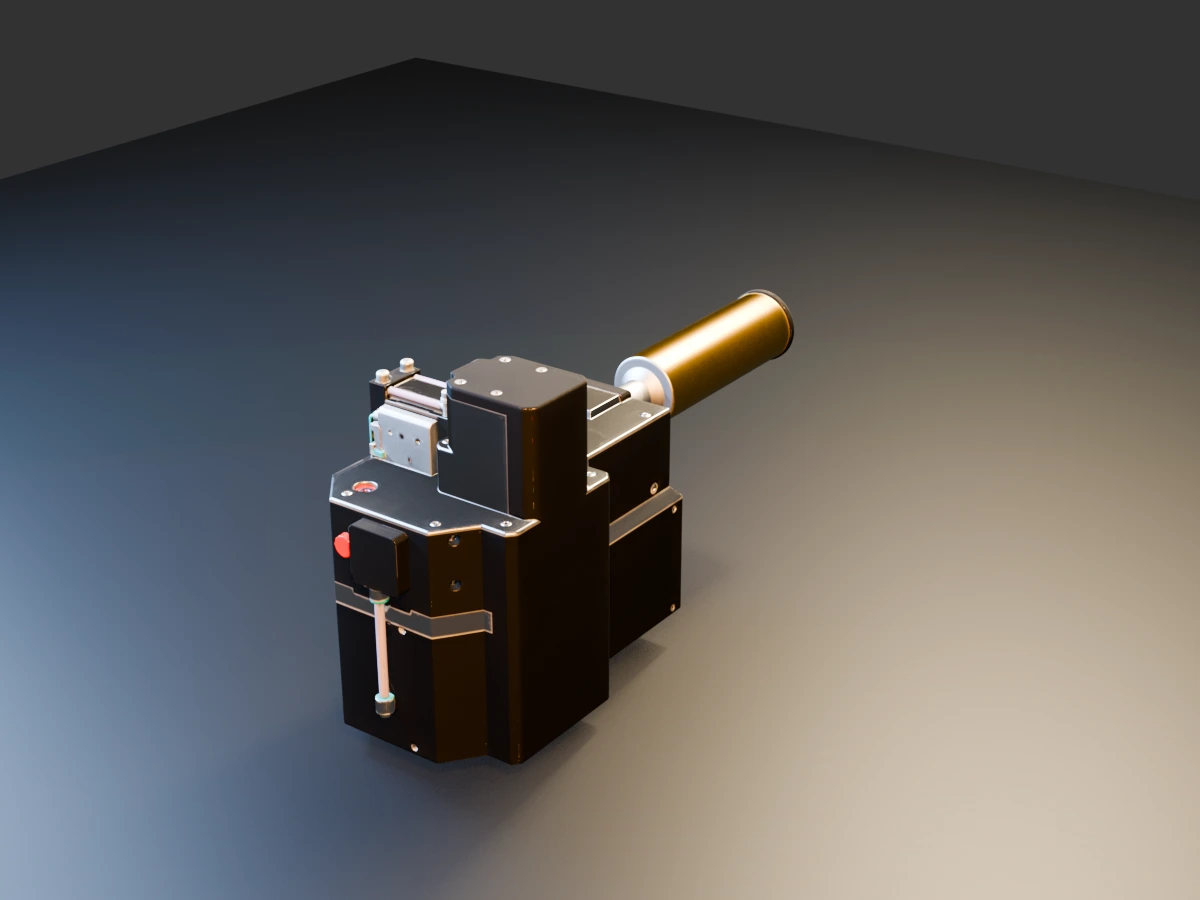
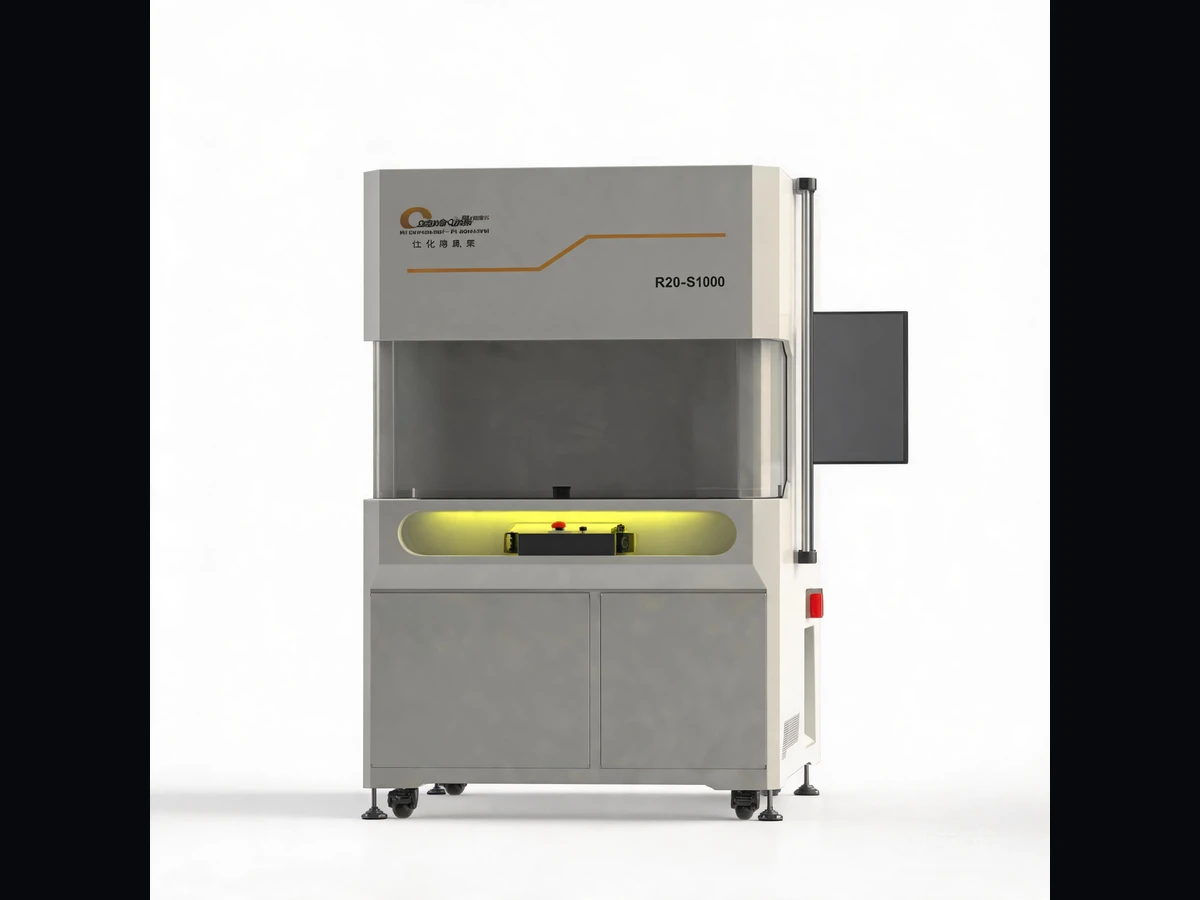
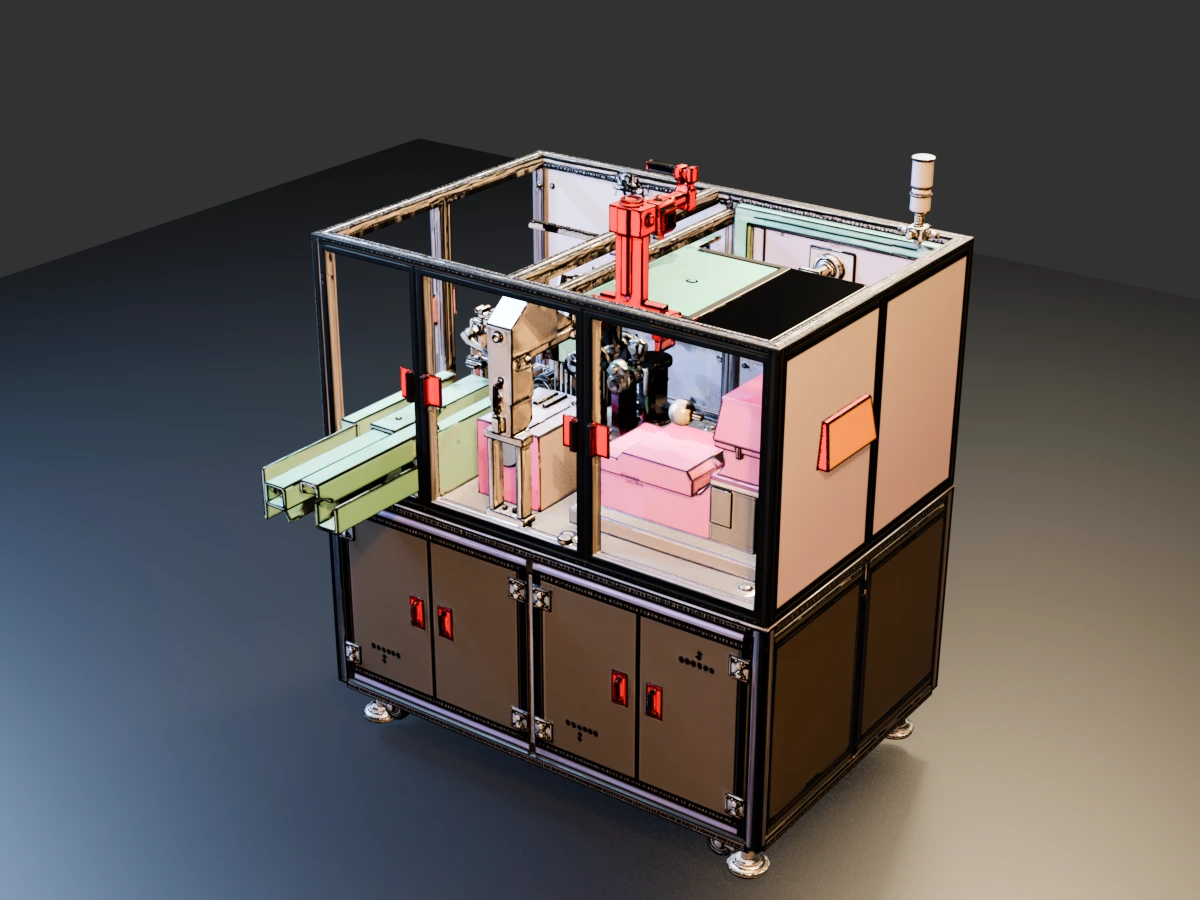
Complete sample information significantly shortens process validation
10–20 sets of actual stripped conductors for each specification
Terminal drawings, conductor section and insulation strip length
Target pull force, section analysis or electrical-resistance criteria
Required cycle time, automation interface and traceability requirements
Engineering path from sample review to production acceptance
Review conductor, terminal and production requirements
Select welding platform and initial tooling concept
Run sample trials and establish a stable parameter window
Verify pull force, cross-section and electrical performance
Complete tooling, automation handshake and FAT
Deliver training, process records and production support
Common questions at the beginning of a project
Can one system cover several wire sections?
Yes. The practical range depends on the actuator, generator power, sonotrode, anvil and required changeover method. We confirm the validated range through sample trials.
Does ultrasonic welding melt the copper?
No. It creates a solid-state bond using pressure and high-frequency vibration, limiting the heat-affected zone around the conductor.
Can welding data be connected to MES?
Digital systems can provide production records, parameter monitoring and line interfaces. The exact protocol is confirmed during project review.
Let an engineer evaluate your joint
Send material, section, drawing and quality targets. We will reply with equipment and sample-validation recommendations.